The shared week
Co-parenting after separation
Plans, calendars, handovers and the messages that hold a shared week together.

On this page
7 pieces in this section.
01 What Co-parenting covers
Co-parenting is mostly admin, and admin is where goodwill either survives or quietly drains away. This section is about the practical layer: the plan that both homes agree to follow, the calendar that stops two adults booking the same Saturday, the handover that takes four minutes instead of forty, and the short messages that carry information without carrying an argument.
Nothing here is about the law. It is about the routines that families build once the arrangements are settled, and about the small design decisions that make those routines easier to keep. A plan that survives a wet Tuesday in November is a better plan than one that reads beautifully in the summer.
02 How the pieces fit together
The pieces fit together. A written parenting plan sets out what both homes have agreed. A shared family calendar turns that agreement into dates that everyone can see. The handover routine is where the plan meets the pavement, and short written messages keep the whole thing ticking between those moments.
We write for households at very different stages. Some are three weeks into a new arrangement and still negotiating who buys the football boots. Some have been running a fortnightly rhythm for six years and want to adjust it now that a child has started secondary school. The common thread is that the arrangement is a working system, and working systems are worth maintaining rather than rebuilding every time something goes wrong.
If you are new to the section, start with the plan and the calendar, then read the handover piece before a school holiday. Practical detail beats principle here almost every time.
03 Every piece in this section
-

Docket, decision, story: three different things
A docket is a list of what happened in court. A decision is a ruling. The story told afterwards is neither. A plain guide to Maine court records.
-
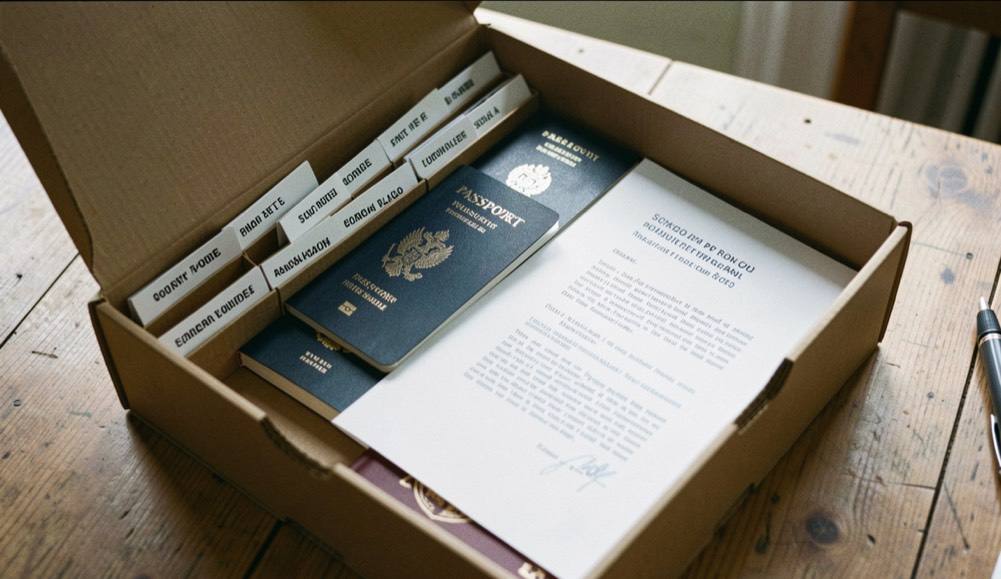
Paperwork that works in two homes
Which details change when a family runs across two addresses, where to keep the folder, and how both homes hold the same version of every form.
-

Asking a Georgia agency for its records
How to frame a written request to a Georgia agency, how long it has to reply, and what a copy can cost, in plain steps for a household or a researcher.
-

Writing a parenting plan that both homes can follow
Short, specific and dull is the target. What belongs in a written plan and what does not.
-
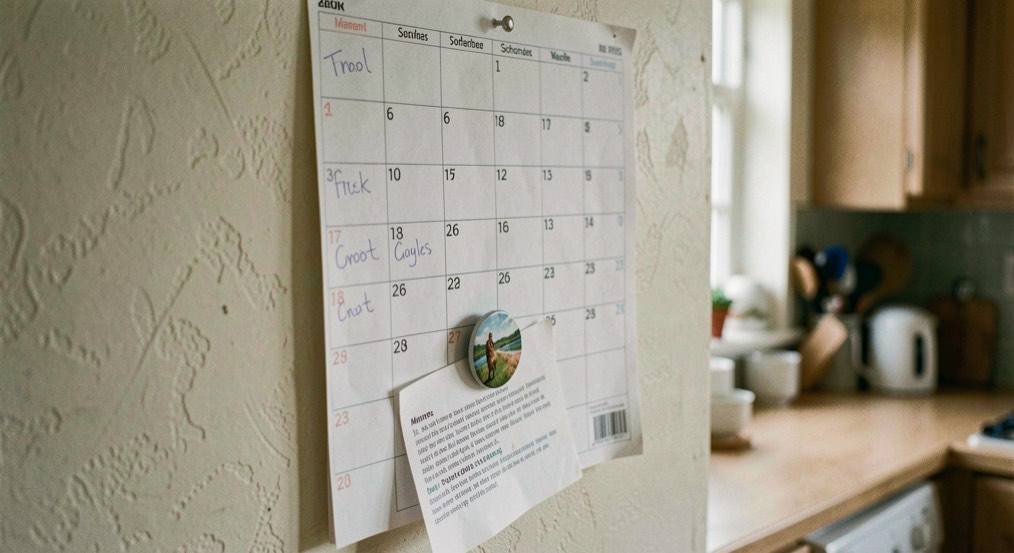
A shared family calendar that both homes can trust
One calendar, two households, and the three habits that decide whether anyone looks at it.
-

Handovers that work between two homes
The handover sets the tone of the week. Where, how long, and the three sentences that help.
-

Writing messages that keep two homes working
Short, factual, dull. Passing information between homes without starting anything.