The practical layer
When an older relative moves address
A practical guide for families when an older relative moves into a care home: visits, the room, paperwork and keeping everyone in touch across one more address.
01 Start with the first visit
An older relative moving into a care home changes more than an address. The visits become planned, the room becomes smaller and more deliberate, and the paperwork moves from a drawer at home to a file held by the home. The family keeps its shape, but it now runs across one more address.
Before anything else, go and see the place at the time of day you are most likely to visit. If you can only come in the evening, visit in the evening. If weekends are your window, visit at a weekend. A home at 10am on a Tuesday tells you very little about a home at 7pm on a Sunday.
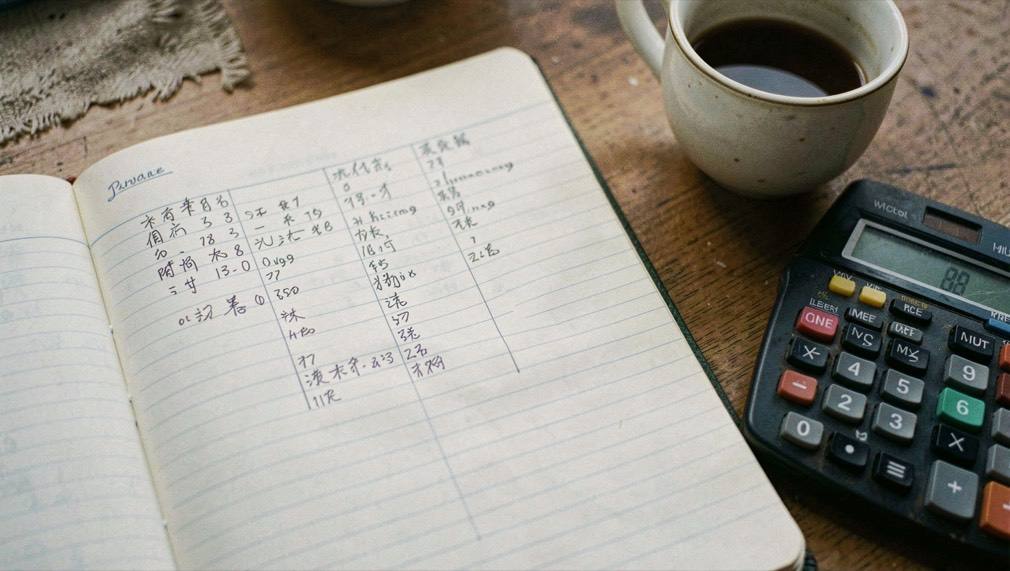
Take one thing with you: a notebook, or the notes app on your phone. Write down what you see, not what you feel. How many staff are on the floor? Where do residents sit? Is there a quiet corner? Is the dining room loud? These small observations are what you will compare later, when you have seen three or four places and they have started to blur.
Ask about the routine, not the brochure. When are meals? When are baths? Who decides when someone gets up? A home that can answer these questions plainly, without reaching for a leaflet, is usually a home that knows its own day.
If the relative is moving into a medicalised care home rather than a retirement residence, the questions change slightly. You are not only asking about comfort, you are asking about care planning, medication, and how the staff record changes over time. For families in France, the EHPAD Saint-Joseph Aubenas site sets out how one such home describes its daily life, its admission process and its costs, which is a useful example of the kind of detail worth asking for wherever you are looking.
02 What goes in the room?
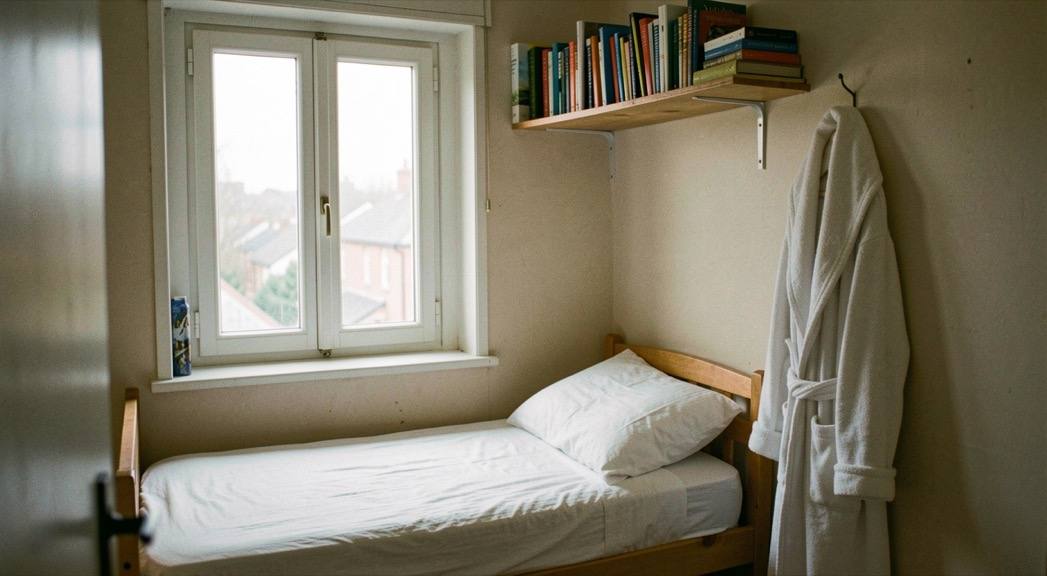
A care home room is small. Treat it like a bedsit, not a storage unit.
Start with the bed end. A familiar blanket, a pillow from home, a photograph on the wall beside the bed. These are the things a person sees first on waking and last before sleep. They do more work than anything else in the room.
Then the chair. If your relative has a favourite chair at home and the home will take it, measure the space first. A chair that does not fit is worse than no chair at all, because it has to be moved out again in front of them.
Then the door. A name plate, a small wreath, a picture at eye level. This matters more than families expect. A plain corridor of identical doors is disorienting, and a marker at the door helps someone find their own room without asking.
Leave the rest. Photographs in albums, ornaments, the full set of china: these can wait. Bring one or two things at a time over the first month, and let your relative decide where they go. The act of arranging is itself a way of settling in.
03 Who does the paperwork?
In most countries, admission to a care home involves a contract, a financial assessment, and a set of forms about health, medication and next of kin. The home will usually lead on this, but the family needs one person who holds the file.
That person is not the boss of the family. They are the keeper of the folder. They know where the contract is, when the next review is, and who to call about a bill. If two or three siblings are involved, name this person openly at a family meeting, and name a second person as backup. Ambiguity here causes more arguments than money does.
Keep a single folder, paper or digital. Put in it: the contract, the fee schedule, the name and number of the manager, the GP, the person named as emergency contact, and any advance statement your relative has made. Update it when something changes, and tell the others when you have.
If your relative is in France, the paperwork includes the APA allowance, the AGGIR grid and, in some cases, the obligation alimentaire, which can involve adult children in the cost of care. These are not small matters, and they are worth reading about before the first invoice arrives rather than after.
04 How do visits work when you live far away?
Distance changes the shape of visiting, not its value.
If you can only come once a month, make that visit predictable. Same weekend, same time, same café afterwards. Predictability is what a person in a care home can hold on to when everything else has moved.
If you cannot come at all for a stretch, use the phone. A short call at the same time each week is better than a long call at random. Ask about the small things: what was for lunch, who was at the next table, whether the window is open. These are the details that keep a person in the family conversation rather than at its edge.
Send things. A letter, a postcard, a photograph printed at a shop. A physical object on a bedside table is a visit that stays.
And keep the others in the loop. A group message once a week, with one line about how the visit went, saves five separate phone calls and stops the family from drifting into separate versions of the same story.
05 What about the first weeks?
Expect a dip. The first two or three weeks in a new place are often harder than the move itself, for the resident and for the family. Sleep is disturbed, appetite changes, and the person may say they want to go home. This is common and it usually eases.
Do not rearrange the room in that period. Do not take things away. Do not make big decisions about the future of the placement in the first fortnight unless the home raises a clinical concern.
Instead, visit more often if you can, even briefly. Sit in the same chair. Learn the names of two staff members and use them. Ask what time the activities happen and turn up for one. Being a familiar face in the building, not only in the room, is what turns a placement into a home.
06 Keeping the family in touch across one more address
The practical work is small and repeatable. One folder. One named contact. One predictable visit. One weekly message. One photograph on the wall.
None of this removes the difficulty of the change. It simply gives everyone, including the person who moved, something steady to stand on while the rest settles.
More like this
Two homes