The other half
Choosing a family book that actually helps
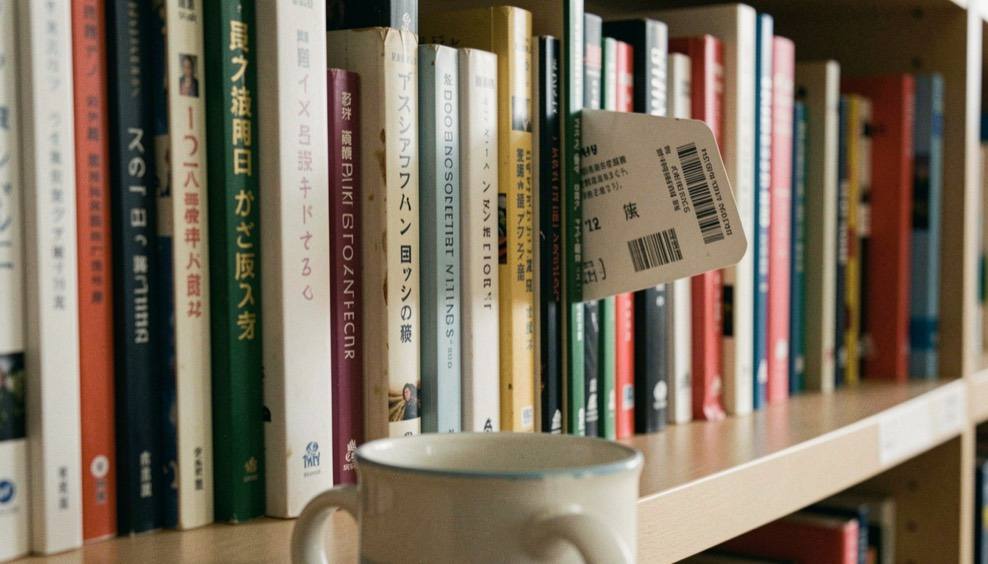
There is no shortage of books about family life. The difficulty is telling the ones that describe something from the ones that are selling a position.
01 Three tests before you buy
First, look at how the book treats the reader who disagrees with it. A useful book allows that different households work differently. A persuasive one treats disagreement as a symptom.
Second, look for the limits. Books worth reading say what they do not cover and where the reader should go instead. A book with no boundaries is telling you it can solve everything, which no book can.
Third, read a page at random from the middle rather than the introduction. Introductions are written to sell. The middle is where you find out whether the prose is going to be tolerable at half past ten at night.
02 The kinds of book on the shelf
Practical handbooks deal with logistics, routines and conversations. They are the most immediately useful and the easiest to test, because you can try something on Wednesday and see what happens.
Books about how children develop are slower and more valuable over time. They rarely tell you what to do on Wednesday and they change how you interpret what happened on Tuesday.
Memoirs and personal accounts are a third category and a mixed one. At their best they are companionable when you are isolated. At their worst they invite you to map someone else's circumstances onto your own, which is rarely a good fit.
| Kind | Best for | Limits |
|---|---|---|
| Practical handbook | Routines, logistics, conversations | Ages quickly, can be prescriptive |
| Child development | Understanding what you are seeing | Rarely answers this week's question |
| Memoir | Company when things feel isolated | Someone else's circumstances, not yours |
| Children's fiction | Giving a child language for change | Choose by the child, not the theme |
03 Books for the children themselves
Picture books about family change can be genuinely helpful for younger children, largely because they supply words for something the child has not yet found words for. Read one first before offering it.
The commonest mistake is choosing by theme rather than by child. A book about two houses given to a child who is not troubled by having two houses simply tells them they ought to be. A good story that happens to feature a family like theirs works better than an issue book.
For older children, fiction does more than anything explanatory. A librarian who knows the stock is the single best source here, and libraries remain the right first stop for the whole category.
04 What to read when you are too tired to read
Reading capacity collapses in a difficult period, and this is normal rather than a personal failing. When it happens, short forms work: a chapter that stands alone, a book you can open anywhere, something borrowed rather than bought so that abandoning it costs nothing.
It is also worth remembering that reading about family life is not obligatory. A novel is a legitimate use of an evening and probably a better one, for the reasons set out in sleep and routine for parents.
If what you actually need is help rather than reading, the map of what exists is in support for separated parents.
One further note on buying. Books in this category date faster than almost any other, because they carry the assumptions of the decade they were written in as well as their practical advice. A twenty year old handbook can still be useful on routines and hopeless on technology, and it is worth reading the copyright page before deciding how much weight to give it.
More like this
Parents' wellbeing